
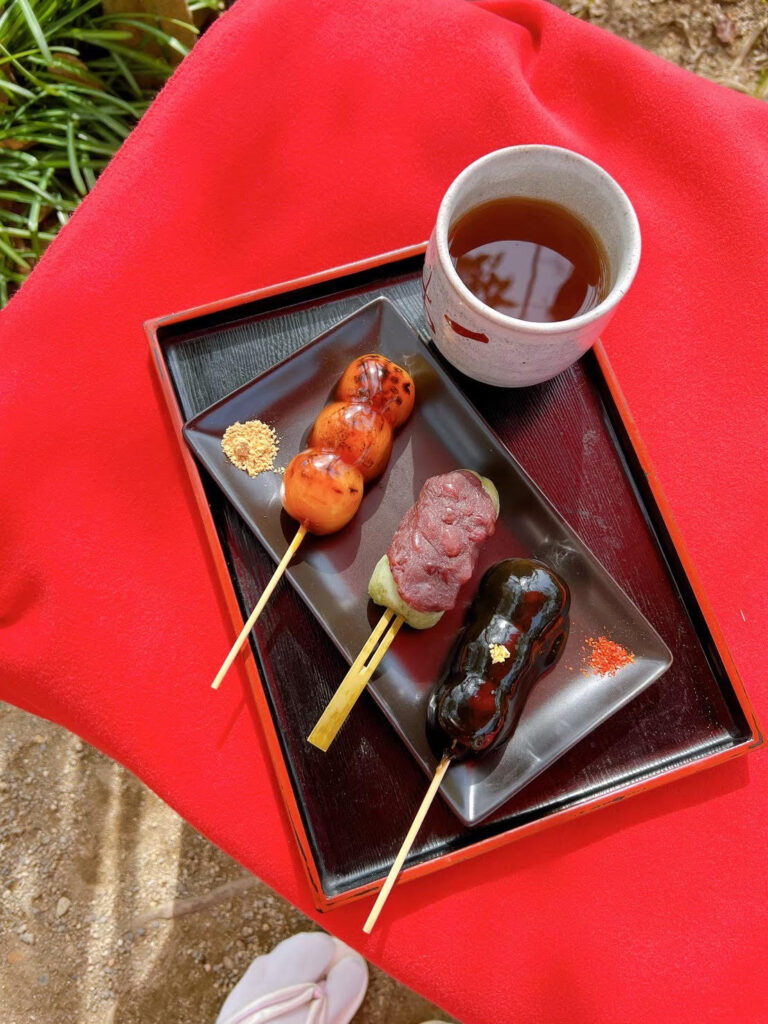
Wagashi are more than just sweets—they embody the idea of “eating the seasons.”
In spring, you’ll find sakura mochi and uguisu mochi; in summer, refreshing mizu-yokan; in autumn, confections made with chestnuts; and in winter, warm dishes like zenzai.
As the seasons change, the colors in the shop displays shift as well.
Especially notable are nerikiri artisan sweets, delicately crafted to resemble flowers and natural scenery—true works of art.
Visitors from abroad often remark that they look “too beautiful to eat.
Wagashi are, in every sense, a cultural expression filled with Japan’s sensitivity to the seasons and its refined sense of beauty.

和菓子の美しさと季節感
和菓子和は、ただ甘いだけでなく“季節を食べる”文化です。
春は桜餅やうぐいす餅、夏は涼やかな水ようかん、秋は栗のお菓子、冬はぜんざいなど、季節が変わるたびにショーケースの色合いも変わります。
特に練り切りの細工菓子は、花や風景をかたどった美しい芸術作品。
海外からは「食べるのがもったいない」と評されることもあります。
和菓子は、日本の季節感と美意識がぎゅっと詰まった文化そのものです。
コメント