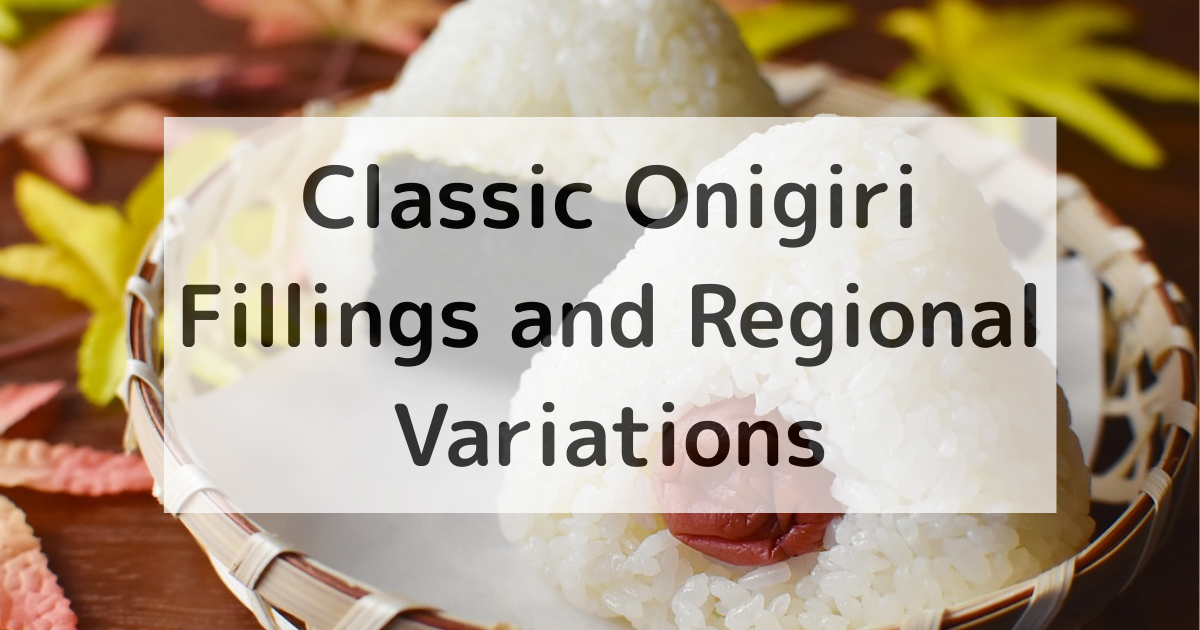
Japanese onigiri are simple yet strongly reflect regional identity.
Classic fillings include salmon, pickled plum, and tuna-mayo, but each area has its own “soul food,” such as salmon belly in Hokkaido or simmered kelp in the Kansai region.
In recent years, convenience stores have introduced inventive new varieties, and onigiri have become increasingly international, with options like grilled rice-ball versions and Taiwan-style mixed-rice onigiri.
They’re easy to eat anywhere, endlessly versatile, and always evolving.
Onigiri are a small but vivid symbol of the diversity within Japanese food culture.
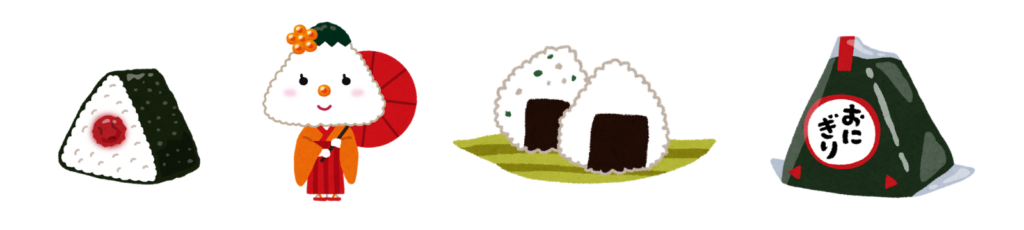
おにぎりの具の定番と地域差
日本のおにぎりは、シンプルながらも地域性が強く表れる食べ物です。
定番は鮭・梅・ツナマヨなどですが、北海道では鮭ハラス、関西では昆布が人気など、地方ごとの“ソウルフード”が存在します。
近年はコンビニが個性豊かな具材を開発し、焼きおにぎりや台湾風混ぜご飯おにぎりなど多国籍化も進んでいます。手軽で、どこでも食べられて、しかもバリエーションが尽きない。
おにぎりは、日本の食文化の多様性を象徴する小さな一品です。

There are many famous onigiri shops in Japan, so I hope you’ll visit some of them! Let me introduce my favorite places.
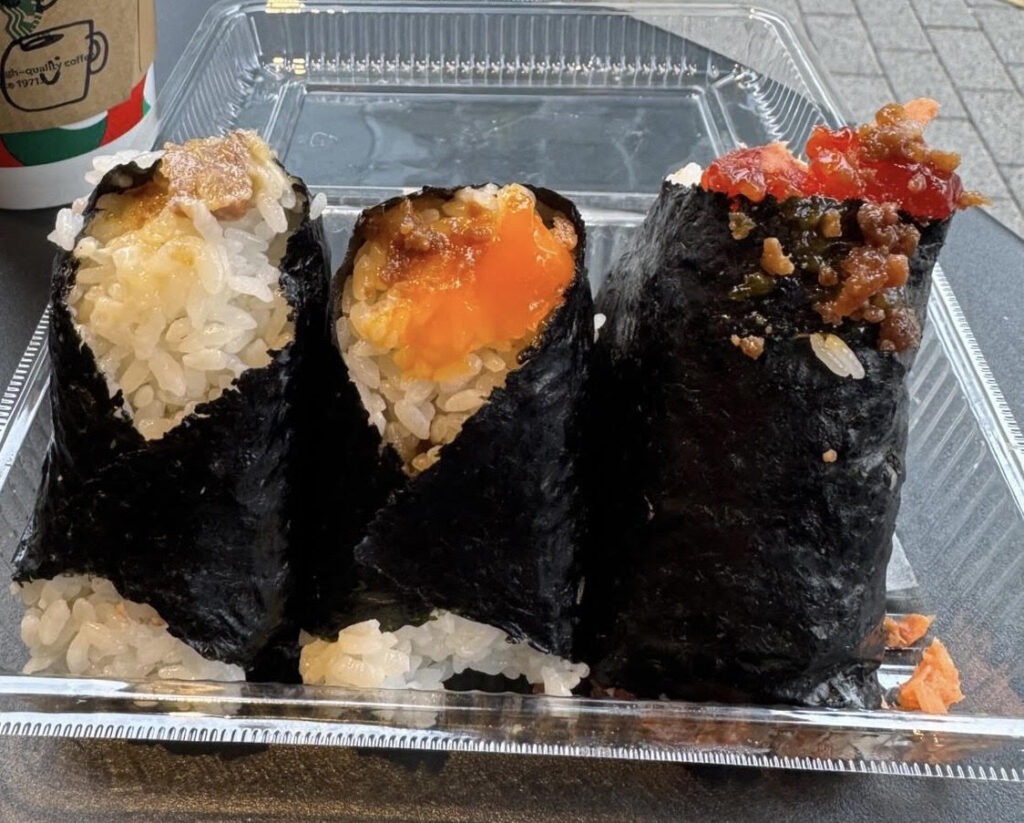
They offer 54 types of fillings!
You can mix and match freely, and even add toppings.
Even on weekdays, long lines form, so calling ahead to place a takeout order is recommended.
Their onigiri are so delicious that they’re worth the wait, so if you’d like to enjoy the atmosphere inside the shop, it might be worth standing in line!
コメント